


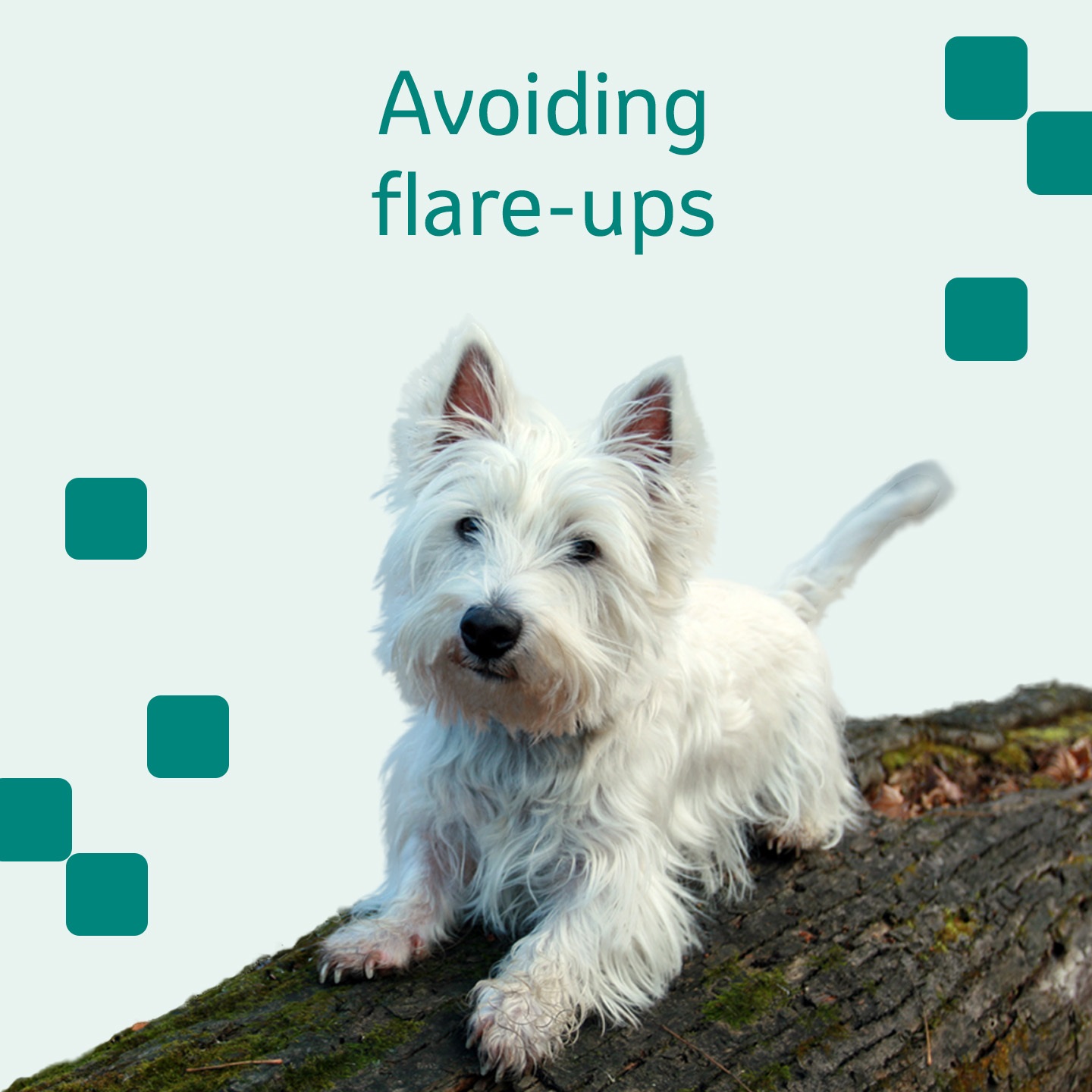
Allergy Avoidance – Help, my dog has a pollen allergy…
As pollen is airborne you cannot completely avoid this allergen or stop your dog having a reaction. Here are some of our top tips that you can do at home to make your dog more comfortable, so that they can be a happy, healthy pooch!
Know which pollens your dog is allergic to
An allergy to pollen can be because of tree or grass pollen. Tree pollen tends to be more abundant in the spring and grass pollen tends to be more abundant in the summer.
If you haven’t already, we would advise that your dog has an allergy blood test to find out what your dog is allergic to. This will help you pin point when symptoms are likely to be worse and make changes accordingly.
Keep an eye on the pollen forecast
Keep an eye on ‘Pollen Pal’, a website for us human sufferers, to check if the pollen count is likely to be high for each specific pollen (trees, weeds and grasses). You can use this to adjust what time of day to walk your dog, generally early morning and late evening tends to be when pollen counts are at their lowest,. By avoiding walking your dog when the pollen count is at its highest that day, you will reduce their exposure and allergic response.
Limit exposure to pollen when out on a walk
Avoid letting your dog roll around in grass, as this will coat their fur in pollen. Use a damp cloth to wipe their paws, muzzle and fur after a walk. Better yet, why not take your dog for a walk on the beach! The seaside offers dogs an enjoyable walk in a low pollen environment.
Keep windows and doors closed as much as possible on dry and windy days
To prevent and limit your dog’s exposure to pollens, keep windows and doors closed as much as possible, especially on dry and windy days. We understand this might be a tricky one when they sun is shining. Should you wish to open windows it is best to do so on low pollen days, after rainfall or in the early morning or evening.
Keep your dog indoors when local areas and own back garden is being mowed
By keeping your dog inside when you mow the grass in your own back garden will limit their exposure to grass in the air and on their paws. Make sure that your doors and windows and closed to prevent house exposure. Mow in the late afternoon or early evening when pollen levels are at their lowest and when there is minimal wind. Regularly mow your grass and keep it short will help reduce the amount of pollen it produces. Use a mower with a bag, to prevent spread of grass clippings around the garden.
Dust and vacuum regularly
Dusting and vacuuming your house regularly tends to be the case for all allergies that your dog can suffer from. This will help remove pollen from inside the house. Ideally, you should use double layer micro filtration bags.
Dry clothes and bedding indoors instead of outdoors
Pollen is sticky and it can easily attach itself to bedding and blankets drying on the line outside. When we bring washing and pollen into the home environment, it will expose your dog to pollen-laden clothes and bedding which can trigger a flare up of symptoms. Drying clothes indoors or in a tumble dryer, especially during the peak tree or grass pollen season, will reduce the amount of pollen on materials.
Regularly groom and bathe your dog
This will help remove any pollen from their fur and soothe itchy skin, especially during pollen season. This should be done weekly, rather than monthly when needed.
Every allergy season that goes unmanaged makes the next one harder. With the right diagnosis and treatment plan, we can dramatically reduce your dog’s discomfort — and your stress.
If your dog is itching, licking, or battling repeat ear infections, now’s the perfect time to schedule an Allergy Awareness Check-Up with our vet team. Together, we’ll identify triggers, tailor a management plan, and help your best friend get back to feeling like themselves again.
Call Mayne Vets on 01206 851338 or book online today to get ahead of allergy season.
Because every tail deserves to wag — itch-free.