
In recent years the term BOAS has become a buzzword amongst dog owners and within the veterinary community. This article aims to explain what BOAS is, how we assess it and what can be done to help any pets affected.
What is BOAS?
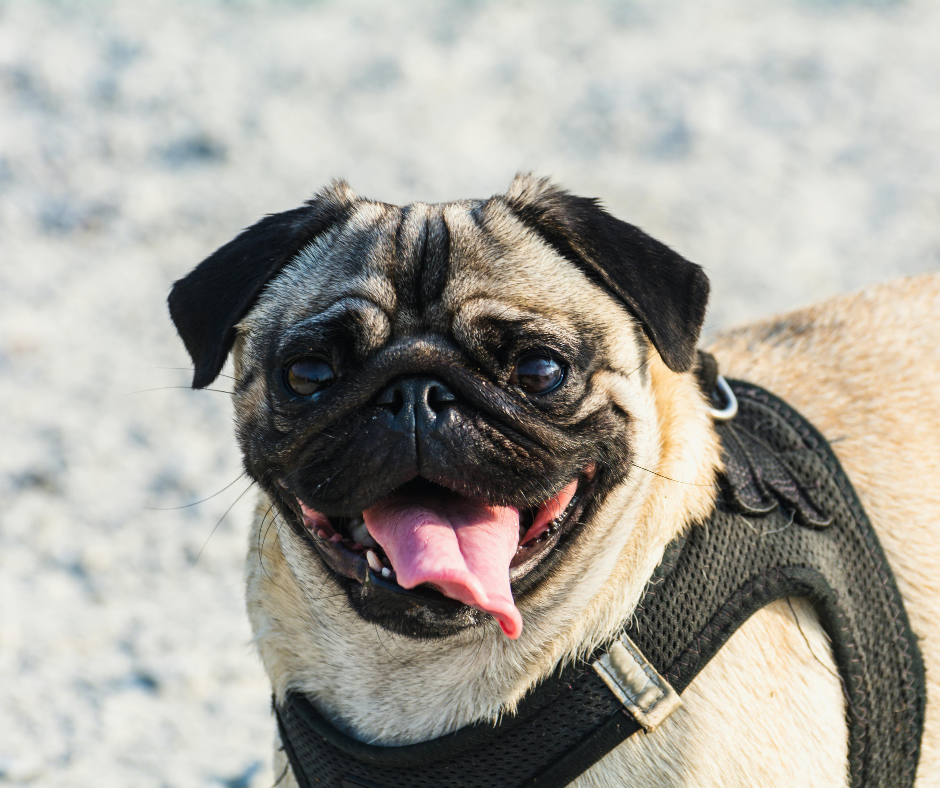
Put simply, BOAS or Brachycephalic Obstructive Airway Syndrome is a fancy term used to describe the breathing problems encountered by dogs with flat faces. It is a serious and distressing condition which can occur in brachycephalic breeds, which have the conformational traits of a flat and wide face. Classic brachycephalic breeds include the Pug, Bulldog and French Bulldog. The effects of this extreme conformation can result in excessive soft tissue within the airways (as there isn’t enough space to accommodate them) as well as airways that are too narrow to allow for comfortable breathing.
All of these anatomical abnormalities lead to an increased resistance to airflow thus causing obstruction of the upper airway. Affected pets have to work much harder to breath and this is why pets with BOAS can go on to develop so many health problems. BOAS symptoms can range from being relatively mild to severe and life threatening.
Symptoms can include:
- Noisy breathing
- Poor exercising capability
- Sleep disorders
- Gastrointestinal issues such as regurgitation
- Collapse
- Predisposition to heat stroke
Whilst awareness of BOAS is increasing amongst the pet owning population, unfortunately many people still associate the clinical signs associated with this condition as being ‘normal’ for the breed. Early detection and intervention, if needed, can make a huge difference to an affected dog’s quality of life.
How is BOAS assessed?
Thankfully not every brachycephalic dog suffers with BOAS, some individuals can breathe easily and suffer no clinical signs.
The Royal Kennel Club and the University of Cambridge have created the ‘Respiratory Functional Grading’ scheme or RFG to assess dogs for evidence of and severity of BOAS. This scheme was set up initially for the worst affected dog breeds – Pugs, Bulldogs and French Bulldogs. The aim of the RFG scheme is to help owners select individuals with minimal BOAS signs to be used for breeding and thus lower the risk of producing affected puppies.
A recent study has proven the RFG scheme to be effective. Given its success, in 2026 the RFG scheme will be opened up to other brachycephalic breeds with hopes it will be a great tool to help improve the quality of life for future generations.
The Royal Kennel Club has trained a number of veterinary surgeons within the UK to become regional assessors and these veterinary surgeons are able to carry out BOAS assessments. The assessments involve a physical exam, a 3 minute exercise session (usually a light jog) followed by a further physical examination. Dogs must be at least 12 months of age at the time of their assessment. The assessor will then give your dog a BOAS grade (0-3) and this can be used to help owners make sensible and balanced decisions regarding breeding and, if needed, guide decisions regarding treatment.
Our vet Charlotte has been approved by the Royal Kennel Club to be a regional assessor and is able to perform BOAS assessments at the clinic. If you would like to book an assessment please give us a call.
What breeds can be affected?
Affected dog breeds include:
- Pug
- French Bulldog
- Bulldog
- Boston Terriers
- Shih Tzus
- Staffordshire Bull Terriers
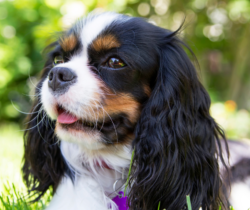
- Cavalier King Charles Spaniels
- Chihuahua
- Affenpinscher
- Japenese Chin
- Maltese
- Pekingese
- King Charles Spaniel
- Dogue de Bordeaux
- Griffon Bruxellosis
- Boxers
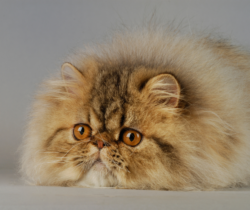
The most commonly affected cat breed:
- Persian
What are the treatment options?
If your pet is clinically affected then options to manage BOAS will depend on the severity of their symptoms. For mildly affected pets the advice may simply be weight management and ensuring your pet is kept in a cool environment. For the more severely affected pets a surgery may prove beneficial.
- Surgical procedures include:
- Widening of the nostrils
- Shortening of the soft palate (staphylectomy)
- Removal of the tonsils
- Removing swollen laryngeal saccules
If you are concerned that your pet is suffering from clinical signs associated with BOAS then please don’t hesitate to contact us. We will arrange an appointment for you and once a BOAS assessment has been performed our vets will discuss all options thoroughly with you and create an individual tailored plan for your pet.