



Now that your puppy is settling into their new home, we’d like to share some key points to keep in mind as you begin their training journey.
As your puppy’s guardian, it’s important to make training a regular part of daily life. Training helps your puppy learn how to behave in different situations, keeps them safe, strengthens the bond between you, and adds mental stimulation to their day. Whether you choose to train at home or in a class, it’s essential to use reward-based techniques rather than methods focused on punishment.
Introducing your puppy to gentle handling from an early age—and continuing to build on this throughout their life—helps them become calm and confident during examinations. This makes visits to the vet or groomer, as well as handling at home, much easier and less stressful for both you and your puppy.
Below are some useful tips on common issues and questions that often arise when welcoming a new puppy into the household.
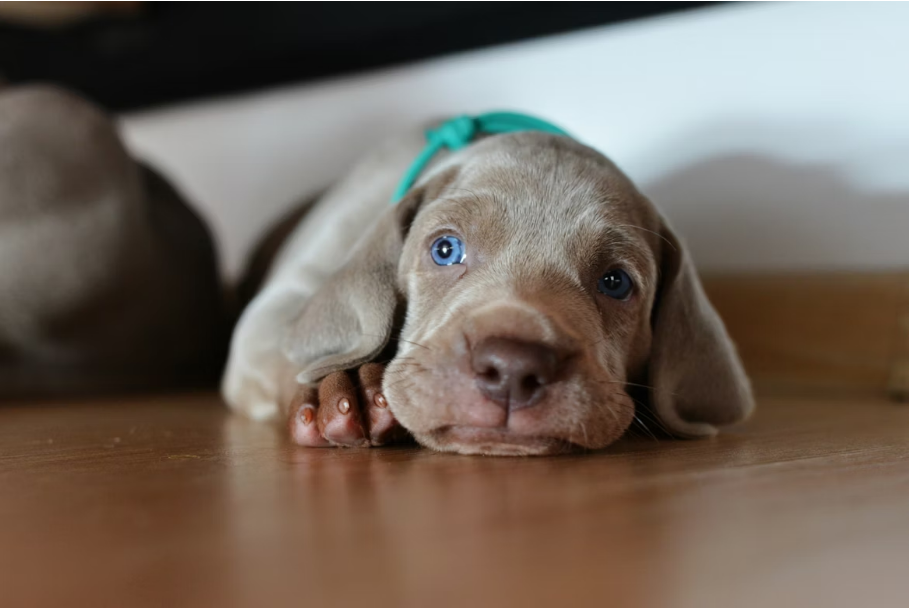
How do I toilet train my puppy?
Remember that puppies have small bladders and limited bladder control in the early months, so they will need to go to the toilet much more frequently than adult dogs.
Set your puppy up for success by anticipating the times they are most likely to need a toilet break, such as first thing in the morning, after meals, after play sessions, and before bedtime. Pay close attention to signs that your puppy needs to go, such as circling, sniffing the floor, or suddenly stopping what they are doing. Gently guide them to the appropriate toileting area as soon as you notice these signals.
Always reward your puppy immediately after they toilet in the correct place, using praise, affection, or a small treat. This helps them form a positive association with toileting in the right spot.
If your puppy has an accident indoors, remain calm and avoid scolding them. Puppies do not connect punishment with past accidents, and telling them off can create anxiety around toileting. Instead, clean the area thoroughly to remove any lingering scent markers that might encourage repeat accidents.
Consistency is key when toilet training. Use the same cue words for urination or defecation each time, and always take your puppy to the same toileting spot. Over time, this routine helps them understand what is expected and encourages reliable toileting habits.
How do I stop my puppy from play biting?
Puppies explore the world with their mouths and often chew to relieve teething discomfort, stress, boredom, or to get attention. While play biting may seem harmless when they are small, it’s important to teach that mouthing people is not acceptable, especially as adult teeth come in.
To manage play biting:
- Ensure no one in the household encourages the behaviour—avoid teasing or inviting bites on hands, feet, or clothing.
- Redirect chewing to age-appropriate toys, praising them for using the toy instead of your body.
- Anticipate times your puppy is more likely to mouth, such as when tired or hungry, and stay calm. Remove yourself safely if needed (using a crate or baby gate) and offer a chew or food-stuffed Kong.
- Ignore mouthing or clothing-pulling. Turn away, tuck in limbs, or walk out of the room briefly so your puppy does not gain attention as a reward.
- During handling or grooming, keep sessions short and provide a small toy to occupy their mouth. Choose quieter times, such as just before a nap.
- Rotate toys regularly to keep them engaged and distracted from furniture or household items.
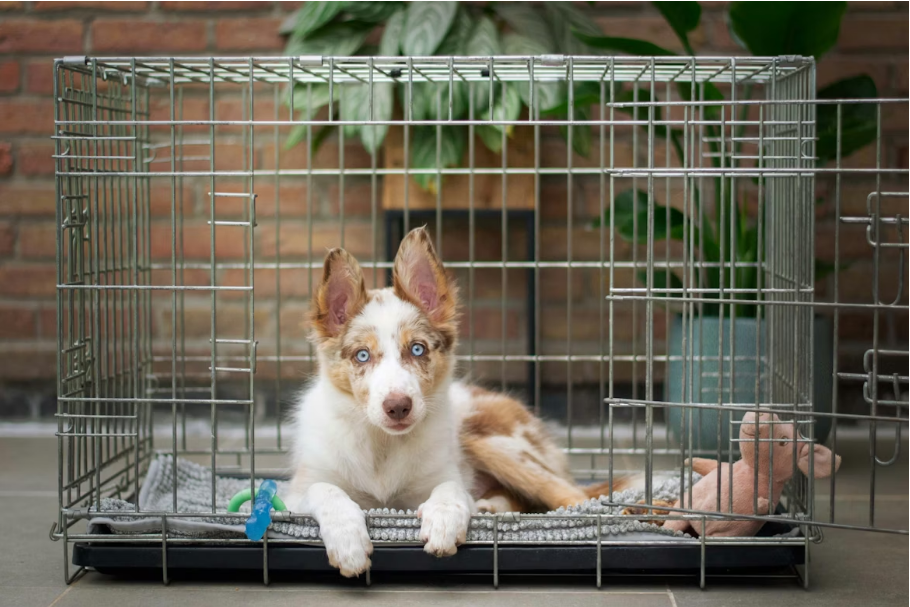
How do I crate train my puppy?
A crate should be a safe, warm, and peaceful space for your puppy—a place to rest, feel secure, and be entertained. It should never be used as a form of punishment.
Choosing the right crate:
- Size: It should be cozy enough to feel safe, yet large enough for your puppy to stand, turn, and eventually grow into their adult size comfortably.
- Ventilation and visibility: Good airflow and visibility allow your puppy to observe household activity and let you interact or drop treats in without opening the door.
- Access: A crate with doors at both ends can make initial training easier, allowing your puppy to explore it like a tunnel and build confidence.
Making it comfortable:
- Add soft bedding, blankets, or towels. You can drape a blanket over one end if your puppy prefers a more enclosed space.
- Place the crate where your puppy can see household activity but away from the busiest traffic areas. Make it accessible so they can choose to go in when they need a rest.
Using the crate effectively:
Gradually build up the amount of time they spend in the crate, keeping it generally to 2–4 hours during the day, depending on your puppy’s age and temperament.
Always ensure your puppy has toileted before being placed in the crate.
Provide enrichment toys or chews to keep them occupied.
Puppy Care Hub
Teeth brushing, neutering and common toxicities Puppy Care Hub: Everything you need to know – Mayne Vets
Nutrition, socialisation and exclusive puppy series videos Puppy Care Hub: Everything You Need to Know – Mayne Vets