


What should I feed my dog?
Good nutrition plays a vital role in your puppy’s daily life. Depending on their breed, puppies can take anywhere from 8 to 24 months to reach their full adult size and weight. Throughout this important growth period, it’s essential to provide a diet that supports healthy development. Puppy food should be nutrient-dense to meet their increased energy needs and contain the correct balance of calcium and phosphorus to promote strong, healthy bones. Establishing good nutrition in puppyhood helps set the foundation for long-term health.
Because puppies have small stomachs, they require smaller, more frequent meals to begin with, gradually transitioning to two meals a day as they mature—typically around 6 months of age. Feeding a complete diet specifically formulated for puppies is recommended. If you have a large-breed dog (with an expected adult weight over 25 kg), it’s especially important to choose a large-breed puppy diet, as these puppies need to grow more gradually and usually reach adulthood later than smaller breeds.
Regular weight checks during your puppy’s growth phase are important to ensure they are developing at an appropriate rate. Overfeeding may cause rapid growth, which can contribute to obesity and increase the risk of joint and bone problems.
During your monthly clinic visits for parasite control, we will weigh your puppy, assess their body condition score, and record their progress on a growth chart. This allows us to closely monitor their development and discuss any adjustments that may support their healthy growth.

How do I socialise my dog?
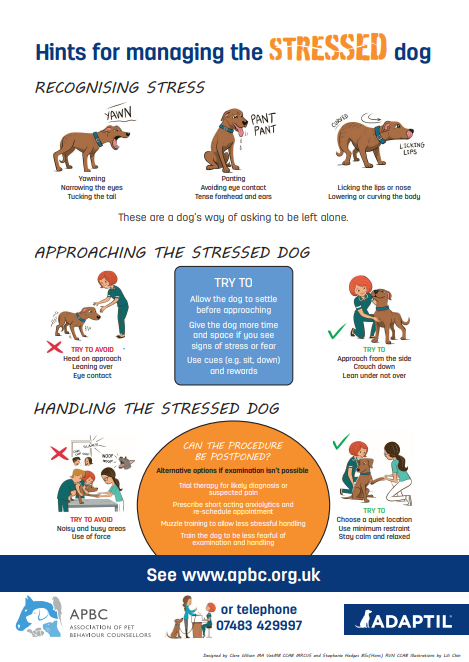
The first few months of a puppy’s life are crucial for building the foundations they’ll rely on throughout adulthood. Between approximately 3 and 16 weeks of age, puppies are especially open to new experiences. During this period, they are learning about the world around them—how to react to new situations, people, animals, environments, and sounds. In many ways, they are developing the essential life skills they’ll carry forward.
As their guardians, it’s our responsibility to ensure these early experiences are positive and well-managed. We aim for puppies to respond calmly or neutrally to new encounters. To achieve this, each experience should be introduced gradually and paired with something positive—such as treats, praise, or play. This helps them form healthy, positive associations they can rely on in the future.
Puppies who experience fear or become overwhelmed during this sensitive period are more likely to develop behaviour challenges later in life. By gently guiding your puppy, taking things at their pace, and supporting them through new situations, you can greatly increase their chances of growing into a confident, well-adjusted adult dog.
Mayne Vets Puppy Series
We are very excited to be offering you some wonderful videos we have put together with Lauren Hewitt-Watts from Dog Mum Mindset, dog trainer and behaviourist. These resources were originally created during the COVID period, when in-person puppy preschool sessions were not possible. However, they remain incredibly valuable and are packed with practical, reliable advice. They cover key topics such as socialisation, handling, appropriate puppy play, and preparing your puppy for comfortable separation.
We hope they help guide you on your journey to becoming the best dog guardian you can be. Whether you’re a first-time puppy owner or have had dogs before, these materials are a fantastic support tool.
How to get the most out of these videos:
• Click on the link —> https://dogmummindset.com/mayne-vets-sign-up
• Sign up for free access to the series
• Take them in bite sized chunks
• Watch them with the whole family
• Take notes and watch them back if needed
Insurance
Insurance
Whether your puppy is already insured or you’re considering pet insurance for the first time, we know that pet insurance can be a bit confusing. Here are some key points to consider to ensure it is there for you and your cat when they need it most:
It is really important to have insurance that covers a condition “for life”
We advise lifelong cover, your pet will then be covered for a condition throughout their life, an excess would likely be paid each year, but the monetary cover for the condition would be refreshed each policy year.
Some insurance policies offer cover for conditions only for 12 months, therefore if your pet has a ‘lifelong’ condition, such as diabetes or arthritis, they will only be covered for a year, after that it would be classed as pre-existing and is no longer covered. Another type of policy is only covering a condition until the monetary limit has been reached, this may take 6 months, it may take 2 years, but once that monetary limit has been reached it would be classed as pre-existing and no longer covered.
Check what you are covered for?
Dental treatment – For some dental claims to be covered, regular teeth checks need to have been performed by your vets, regular yearly vaccinations help with this. Furthermore, if dental treatment is advised, then this may need to be carried out in a timely manner, for example within 6 months of it being advised. You may presume you are covered, but some insurance companies exclude any treatment related to your pet’s gums.
Consider the limit amount conditions are covered for
Ideally you want your pet to be covered for at least £6000 – £8000 per condition per year. But obviously the more the better. Some insurance companies will offer cover for up to £12,000 and more.
Don’t shop around
Shopping around each year for the cheapest premium isn’t the most cost effective or efficient way to manage pet insurance. Many of us, staff here included, are used to shopping around every year for the cheapest car or home insurance quote on comparison websites. However, doing this with pet insurance is problematic. When you switch providers most policies have a clause that prevents them from covering any pre-existing issues. Therefore any prior issues your cat had can be classed as pre-existing and may not be covered.
Puppy Care Hub
Toilet training, play biting and crate training Puppy Care Hub: Everything you need to know – Mayne Vets
Teeth brushing, neutering and common toxicities Puppy Care Hub: Everything you need to know – Mayne Vets